Mariner Atlas Ship Guide

Find Your Perfect Vessel: A Mariner Atlas Guide to Cruise Ships

Whether you're a first-time cruiser or a seasoned mariner, understanding the differences between ships can transform your voyage. From intimate expedition ships to sprawling resort-style liners, the world of cruise ships is vast and varied. Ship size, age, and design influence everything from dining options to onboard atmosphere. This guide breaks down ship classes, key features, and what to look for when matching a ship to your travel style. Our guides provide verified information to help you make an informed decision. Choosing the right ship is as important as choosing the right itinerary.

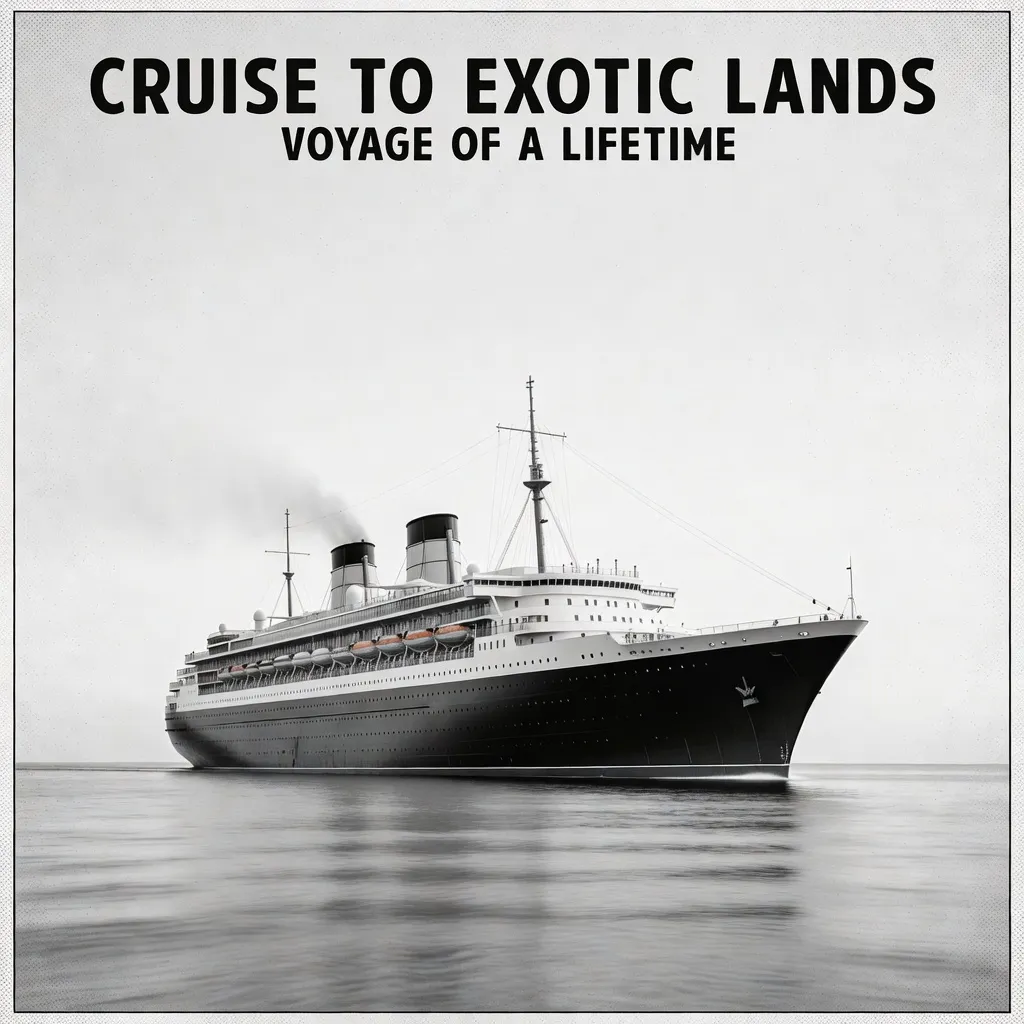
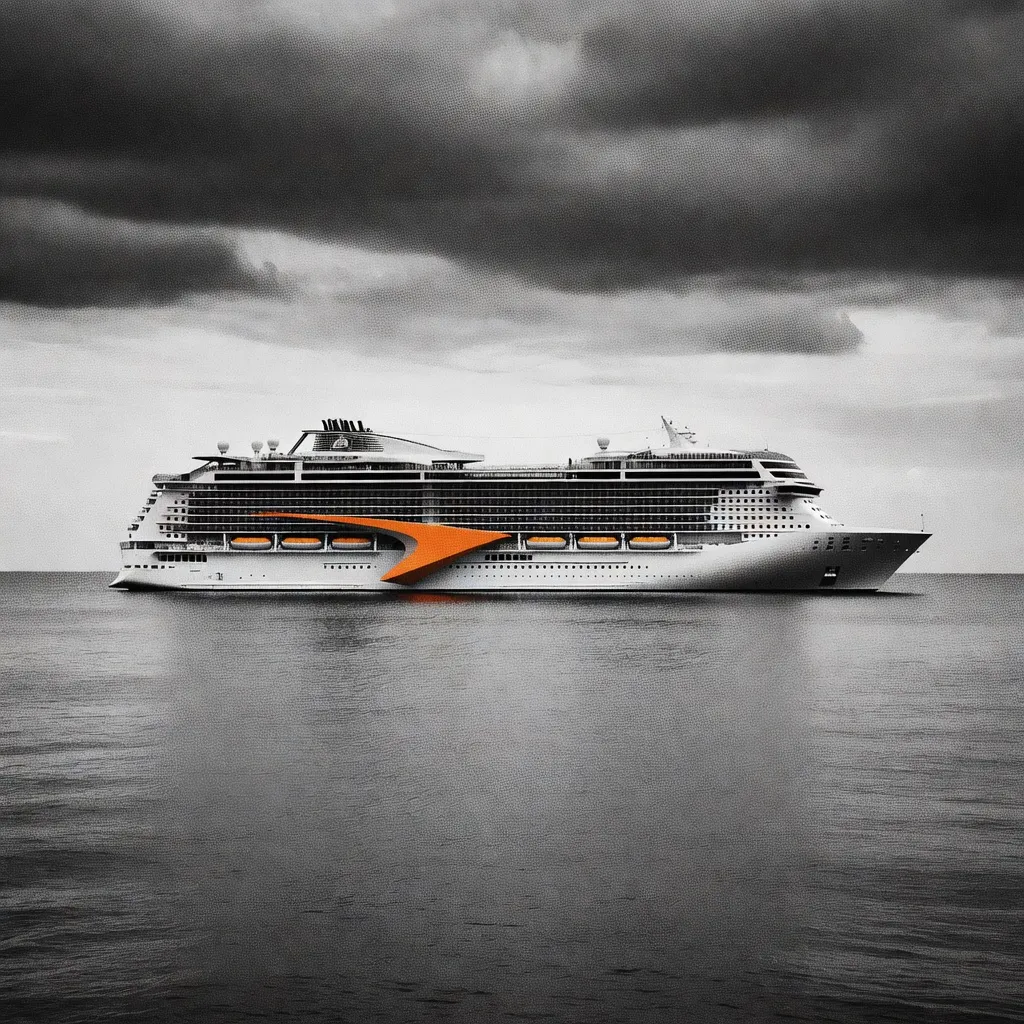
A majestic cruise ship sailing on calm ocean waters at golden hour, with a halftone newsprint treatment
Mariner Atlas: Your starting point for ship research

The Basics

Understanding Ship Classes

Mainstream Resort Ships

These large vessels are floating resorts, offering a wide range of activities, dining venues, and entertainment for all ages. Typically carrying 2,000 to 6,000 passengers, they feature multiple pools, theatres, and extensive kids' clubs. Ideal for families and first-time cruisers seeking variety, these ships provide a constant hum of activity and choice.
Premium Ships

Premium lines offer a more refined experience with better service ratios, upscale dining, and a quieter atmosphere. Usually carrying 600 to 2,000 passengers, they emphasise destination immersion and enrichment programs. They attract adults and couples seeking sophistication without the scale of a mega-ship.

Luxury and Expedition Ships

Luxury ships provide all-inclusive, high-end experiences, while expedition ships are built for remote destinations with specialised equipment. Luxury ships often carry fewer than 1,000 passengers with high crew-to-guest ratios. Expedition ships feature reinforced hulls, zodiacs, and expert naturalists. Both cater to discerning travellers seeking unique journeys.

Size Matters

Choosing the Right Ship Size

Large Ships: Pros and Cons

Large ships offer endless activities and dining choices but can feel crowded and impersonal. They typically carry over 2,500 passengers and provide the widest range of amenities.

  • Pros: more entertainment, diverse dining, extensive facilities.
  • Cons: longer queues, crowded public areas, less personalised service.
  • Best for: families, social travellers, those who enjoy constant activity.

Small Ships: Pros and Cons

Small ships provide intimate experiences and access to smaller ports but with fewer onboard options. They usually carry under 1,000 passengers and can reach remote areas.

  • Pros: personalised service, unique itineraries, less crowding.
  • Cons: fewer dining venues, limited entertainment, potentially higher cost per day.
  • Best for: destination-focused travellers, couples, those seeking relaxation.

Condition Check

Ship Age and Refurbishment

A ship's age can influence its layout, technology, and overall condition, but refurbishments can modernise older vessels. Newer ships often feature the latest technology and design trends, while older ships may have more character and unique layouts. Refurbishments can update cabins, dining venues, and public spaces. Check the last refurbishment date when researching. Cruise ships undergo regular refurbishments, and age alone is not a reliable indicator of quality.

A well-maintained older ship can feel fresher than a neglected newer one. Always verify the most recent dry-dock and refurbishment details before booking.

Onboard Life

Onboard Facilities to Consider

Dining Venues

From casual buffets to specialty restaurants, dining options vary greatly by ship. Main dining rooms, buffets, and specialty restaurants are common. Some ships offer flexible dining times, others traditional seatings. Consider dietary needs and cuisine preferences.

Entertainment and Activities

Ships offer a range of entertainment, from Broadway-style shows to water parks and enrichment lectures. Large ships have theatres and multiple pools. Smaller ships focus on lectures, live music, and destination talks. Check daily schedules to see if activities match your interests.

Wellness and Recreation

Spa facilities, fitness centres, and sports decks are common, but their quality and size differ. Look for thermal suites, treatment rooms, and fitness classes. Outdoor areas may include jogging tracks, sports courts, and pools. Some ships have dedicated wellness programs.

Notable Vessels

Popular Cruise Ship Profiles

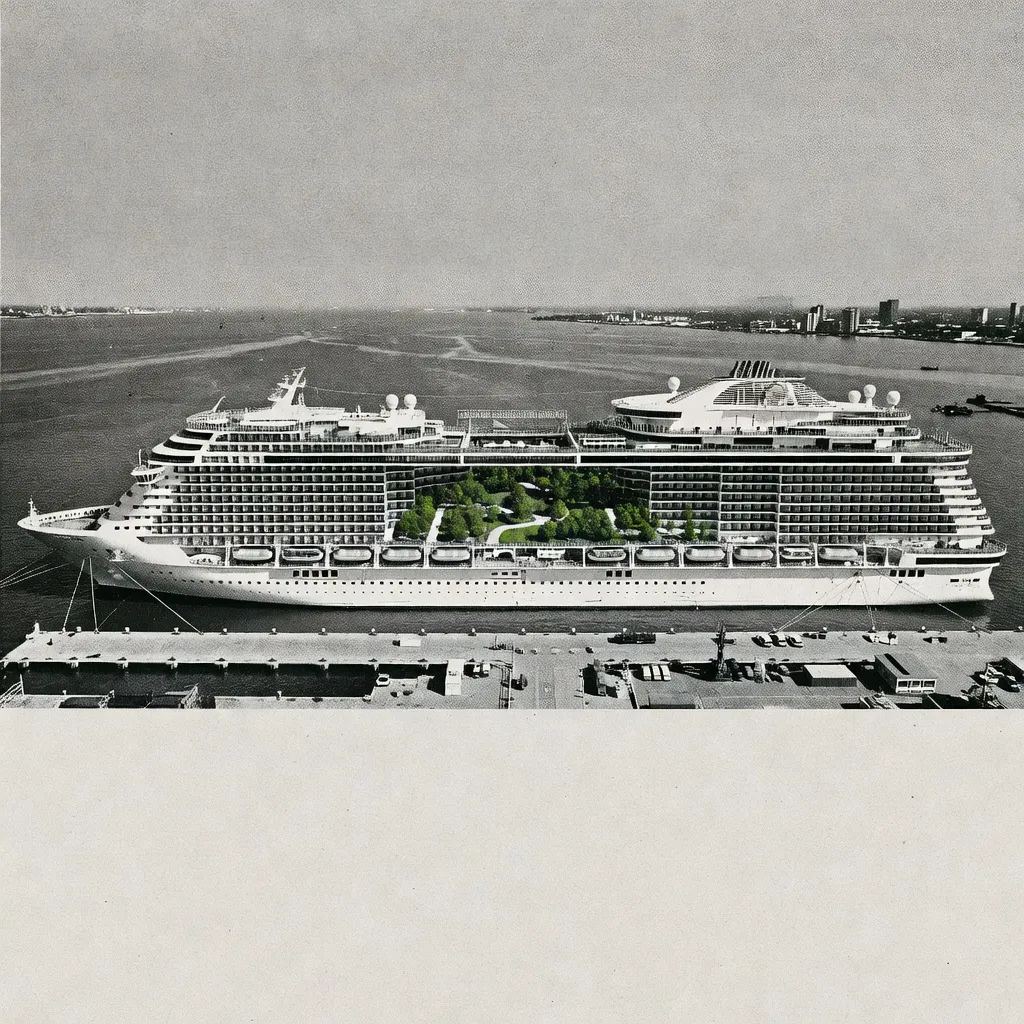
Aerial view of a massive Oasis-class cruise ship docked at a pier, showing its neighbourhood layout
Royal Caribbean Oasis Class

Royal Caribbean's Oasis Class

Known for their innovative neighbourhood concept, Oasis-class ships are among the largest in the world. They feature distinct areas like Central Park, Boardwalk, and Royal Promenade, offering a wide range of dining, entertainment, and activities. Ideal for families and those who enjoy a bustling atmosphere.

Gross TonnageOver 225,000
PassengersOver 5,000 at double occupancy
Side view of a Celebrity Edge-class cruise ship at sea, highlighting its modern design and Magic Carpet platform
Celebrity Edge Class

Celebrity Edge Class

Celebrity Edge-class ships focus on modern luxury with innovative design and upscale dining. They feature the Magic Carpet, a cantilevered platform that moves between decks, and offer a variety of specialty restaurants and stylish staterooms. They attract adults seeking a sophisticated experience.

Gross TonnageAround 130,000
PassengersApproximately 2,900
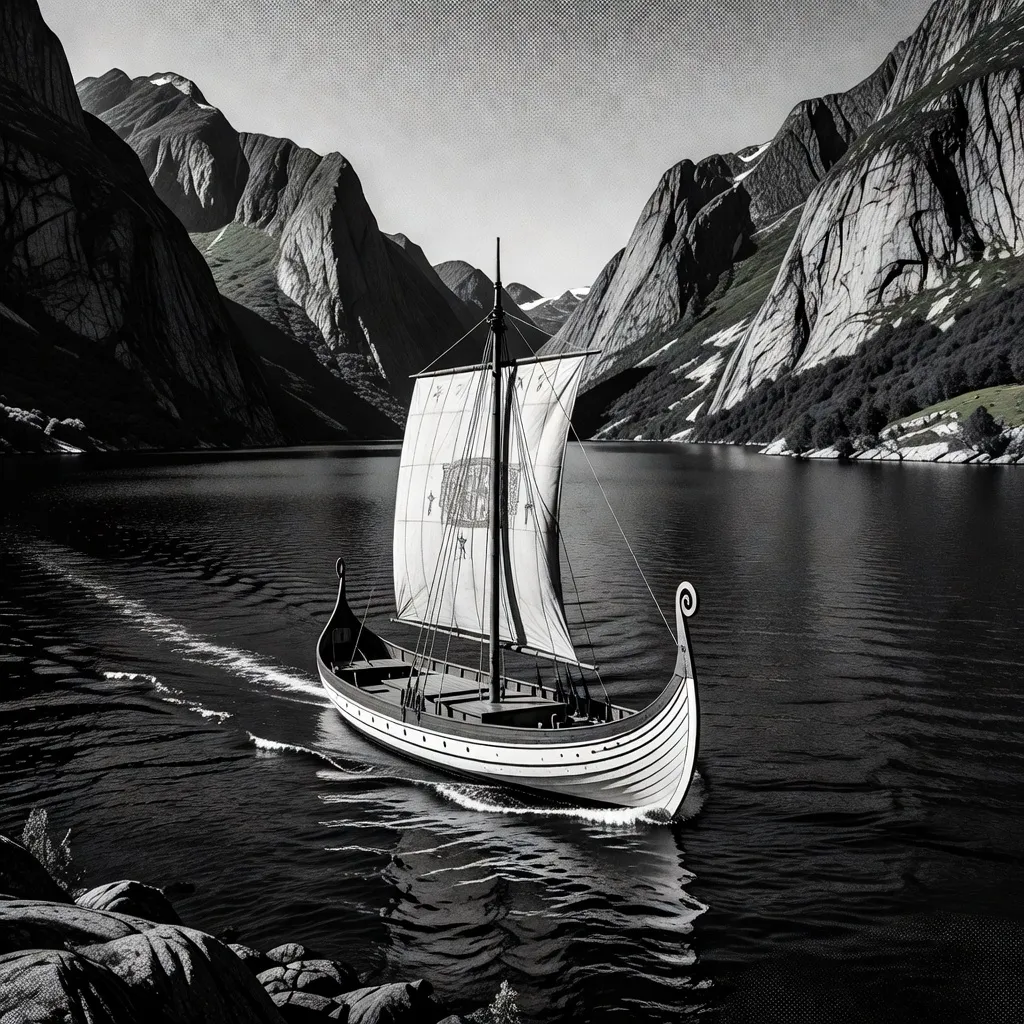
A Viking ocean ship sailing through a scenic fjord with steep mountains on both sides
Viking Ocean Ships

Viking Ocean Ships

Viking ocean ships are mid-sized, elegant vessels focused on destination immersion and inclusive value. All staterooms have verandas, and the ships feature Scandinavian design. They include shore excursions in every port and have no casinos. They appeal to culturally curious travellers.

Gross TonnageAbout 47,800
Passengers930

Route Planning

Matching Ships to Itineraries

Port-Intensive Itineraries

For itineraries with many port days, a smaller ship may be more convenient for quick disembarkation and access to smaller harbours. Smaller ships can dock in ports that larger ships cannot. Fewer passengers mean less time waiting for tenders. Focus on destination immersion rather than onboard activities. Some ports have size restrictions.

Sea-Day-Focused Itineraries

If your cruise has many sea days, a larger ship with extensive onboard facilities may be more enjoyable. Large ships offer more activities to fill sea days. Consider dining variety, entertainment, and relaxation options. Families may prefer ships with dedicated kids' programs. Sea days are a significant part of many cruises.

Decision Support

Ship Comparison Checklist

Use this checklist to evaluate ships side by side. Click any item to mark it as considered.